01
UAV systems
Flight-log reconstruction, state transitions, sensor consistency and evidence-grade validation workflows.
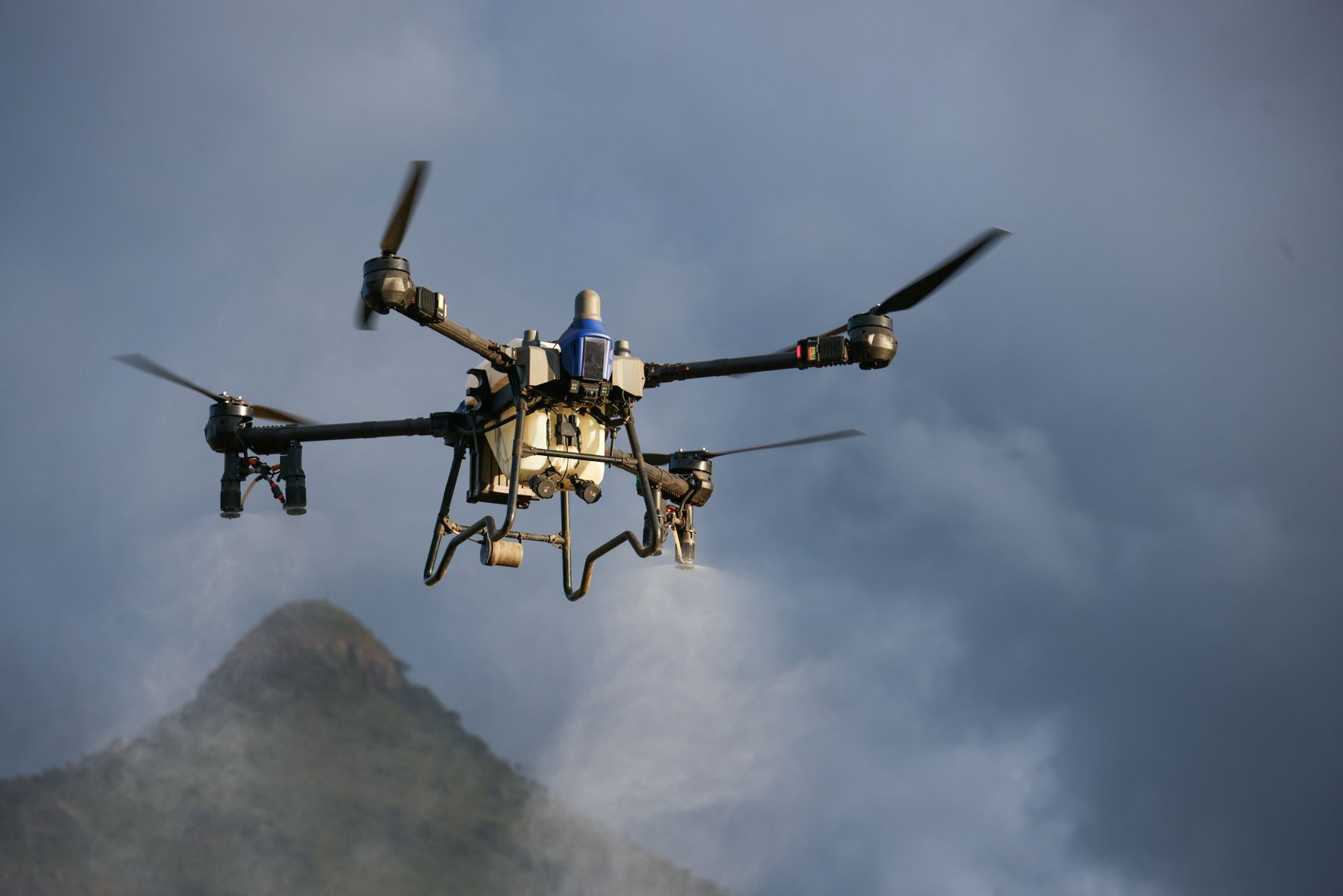
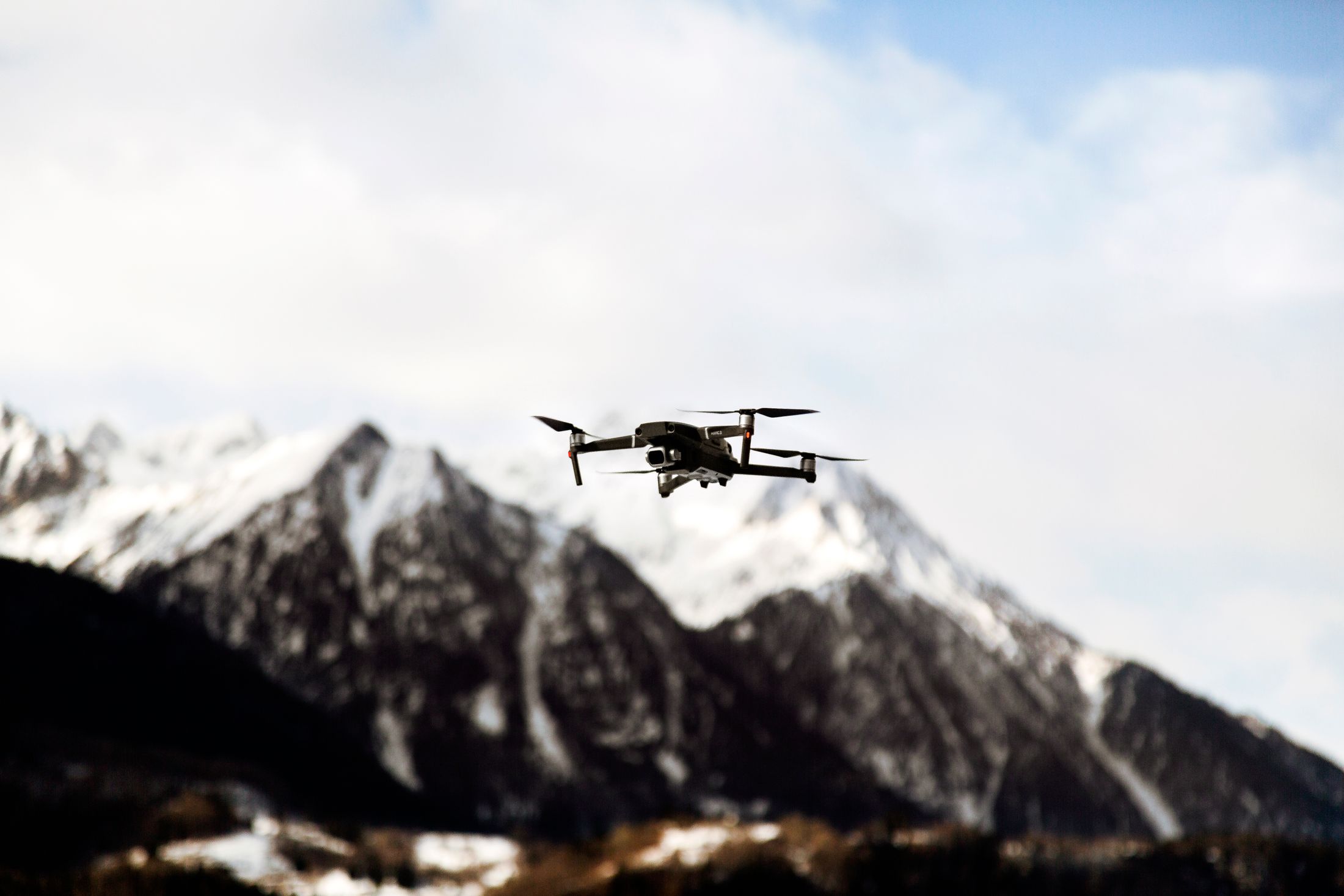
PAMIR turns operational telemetry into repeatable, inspectable validation evidence for autonomous systems — from incident reconstruction to pilot-ready proof.
Validation becomes difficult when logs, incidents and test results live as disconnected artifacts. PAMIR creates a repeatable engineering path from operational telemetry to findings that can be inspected, reproduced and carried into pilot decisions.
Structured to support engineering investigation and evidence creation without changing the autonomous system's control logic.
Flight logs, telemetry, simulation outputs and test artifacts.
Recover event context, sequence and relevant signal relationships.
Frozen policy and thresholds produce comparable validation runs.
Results are retained as reproducible engineering evidence.
Move from technical finding to a controlled validation pathway.
PAMIR's evidence model is intended for systems where operational telemetry and post-test reconstruction matter: aerial, robotic, industrial and mobility platforms.
Flight-log reconstruction, state transitions, sensor consistency and evidence-grade validation workflows.
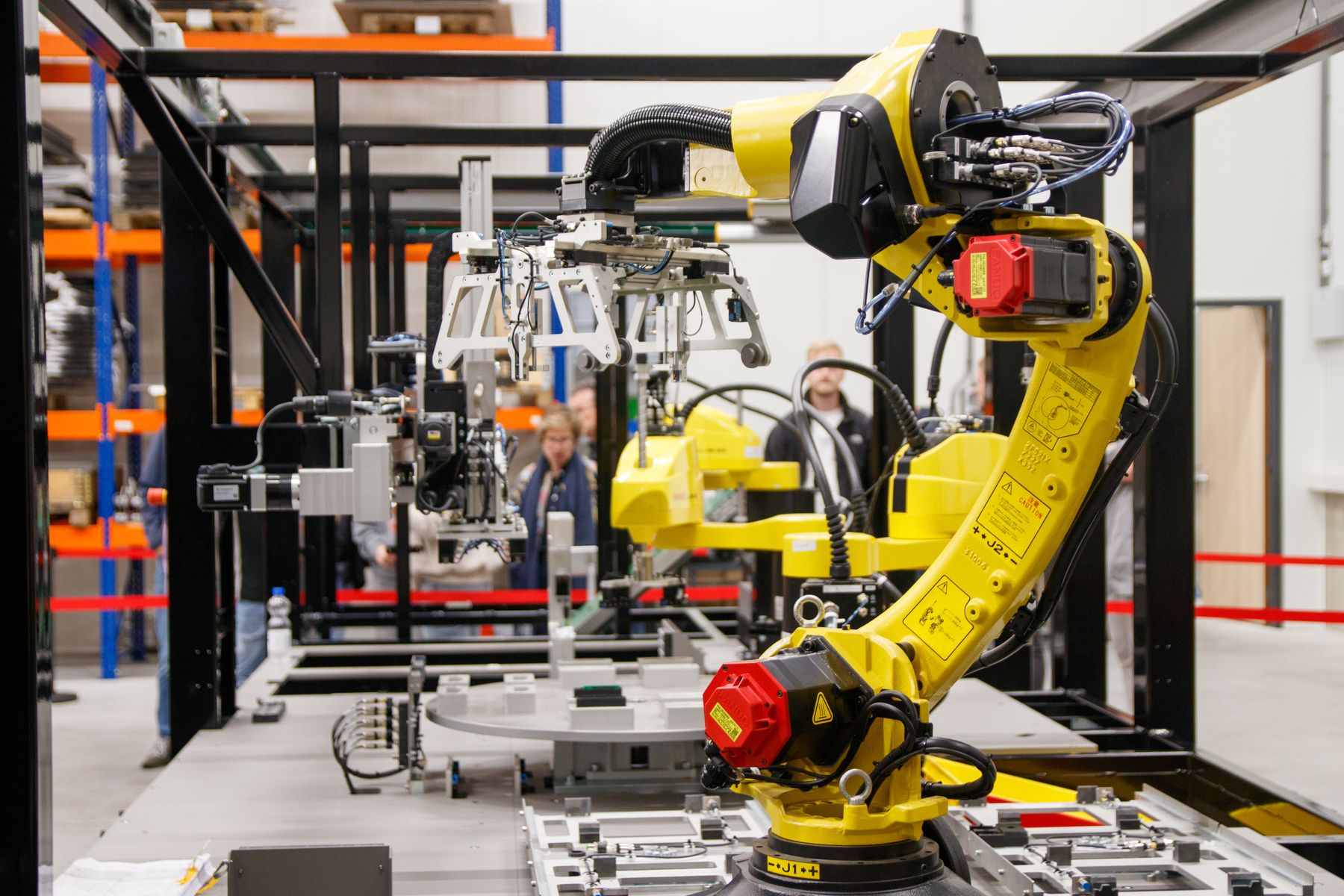
Evidence workflows for automated machinery, robotic cells and operational anomalies in engineered environments.
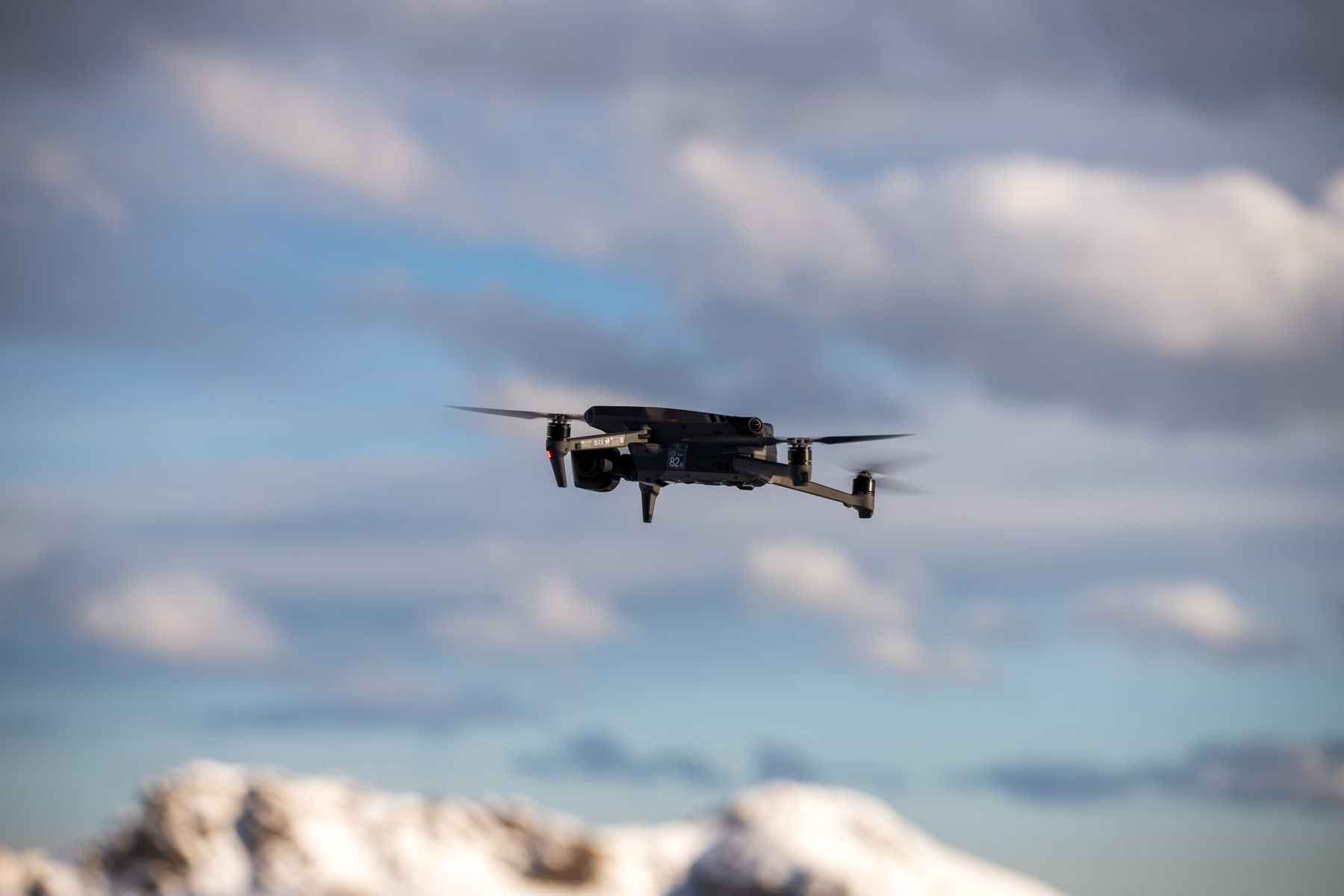
Post-run analysis and validation evidence for increasingly software-defined mobility systems.

The current PAMIR baseline is deliberately conservative: a frozen reproducible v0.1.0 validation gate, a hard CI corpus, and a supplemental external clean-log validation batch.
v0.1.0 frozen and reproducible.
Three clean cases completed with PASS results.
Structure the validated material into a pilot-facing technical evidence package.
Apply the workflow against a partner-defined autonomous-system validation problem.
PAMIR is building toward a €250k–€500k pre-seed round while advancing from reproducible technical evidence toward pilot deployment.